

When buyers tour a property, they are not just looking at the house. They are looking at the whole package, and that includes how the land is used, what outbuildings are present, and whether the property feels organized or cluttered. A well placed shed barn can shift that first impression in a real way. It signals that the property has room to grow, that equipment and tools have a home, and that the current owner has taken care of the place.
For property owners thinking about resale down the road, that raises a fair question. Does adding a storage barn actually increase what your property is worth, or is it just a nice extra that future buyers may or may not care about? The honest answer is that it depends on how the structure is built, where it sits, and how it fits the needs of the local market. In many cases, the right barn does add value. In some cases, it simply helps the property sell faster. Both outcomes matter when you are the one trying to sell.
The Difference Between Value and Saleability
Before getting into the numbers, it helps to separate two ideas that often get lumped together. Value is what an appraiser puts on paper. Saleability is how quickly and easily a buyer says yes to the property.
A storage barn may not always show up as a large line item on an appraisal. Appraisers look for comparable sales, and in some rural and suburban markets, outbuildings are treated as a minor adjustment rather than a major feature. That does not mean buyers ignore them. In fact, the opposite is often true. Buyers walk a property, see a solid barn in good shape, and feel more confident about the purchase. The structure may not add tens of thousands to the appraised value, but it can shorten the time the property sits on the market and reduce the need for price drops.
For sellers, that matters. A property that sells in three weeks instead of three months is worth real money, even if the barn itself is not the headline number on the closing documents.
What Buyers Actually Look For in a Storage Barn
Not every barn helps a sale. A leaning, rotting outbuilding can hurt a property just as much as a good one helps it. Buyers notice the difference, and so do the home inspectors they bring along.
The barns that tend to support resale share a few traits. The materials hold up. The roof is in good shape. The doors open and close the way they should. The structure sits level and looks like it belongs on the property. When a buyer opens the door and sees a clean, dry interior with a solid floor, they start pictining their own gear inside. When they open the door and see sagging shelves, water stains, and a soft spot in the corner, they start adding up what it will cost to tear it down.
This is where build quality does the heavy lifting. A barn built with pressure treated skids and floor joists, a real roof, and proper fasteners is not going to look tired after a few seasons. A barn thrown together with cheap materials and no attention to drainage will show its age before the first mortgage payment is made.
How the Local Market Changes the Math
The value of a storage barn on resale depends a lot on where the property sits. In a dense subdivision with small lots and an HOA, a barn may be a non issue or even a problem if it was placed without approval. In a rural area, on acreage, or in a neighborhood where most properties have outbuildings, the same barn can be a selling point.
Alabama is a good example of a market where storage barns carry weight. Many buyers are looking for space to keep lawn equipment, trailers, boats, and farm gear. They want a property that already has a place for those things, not a blank lot where they have to start from scratch. When two similar properties are listed side by side, the one with a usable barn often draws more interest, especially from buyers who have been hauling equipment from one rental property to another and are ready to stop.
The size of the property also plays a role. On a small lot, a barn that eats up most of the yard can feel like a loss of usable space. On a larger lot, the same footprint barely registers, and the storage it provides becomes the headline.
Sizing It Right for Resale
One of the most common mistakes property owners make is going too small. A barn that barely holds a push mower and a few hand tools does not change how a buyer sees the property. A barn that can hold a riding mower, a couple of pieces of equipment, and still have room to walk around starts to feel like a real asset.
Popular sizes tend to land in the mid range. A 10×20 is a common choice for buyers who want serious storage without giving up half the yard. A 12×32 starts to feel like a small warehouse and appeals to buyers with trailers, boats, or farm equipment. Lofted barns are often the most sought after because the overhead space adds storage without adding to the footprint. When a buyer sees a lofted barn, they start thinking about where they will put the holiday decorations, the camping gear, and the boxes that currently live in the corner of the garage.
The point is not to build the biggest barn on the block. The point is to build one that matches what buyers in your area are actually looking for. Too small and it reads as an afterthought. Too large and it can overwhelm the lot. The middle ground is where resale value tends to hold up best.
Placement and Curb Appeal
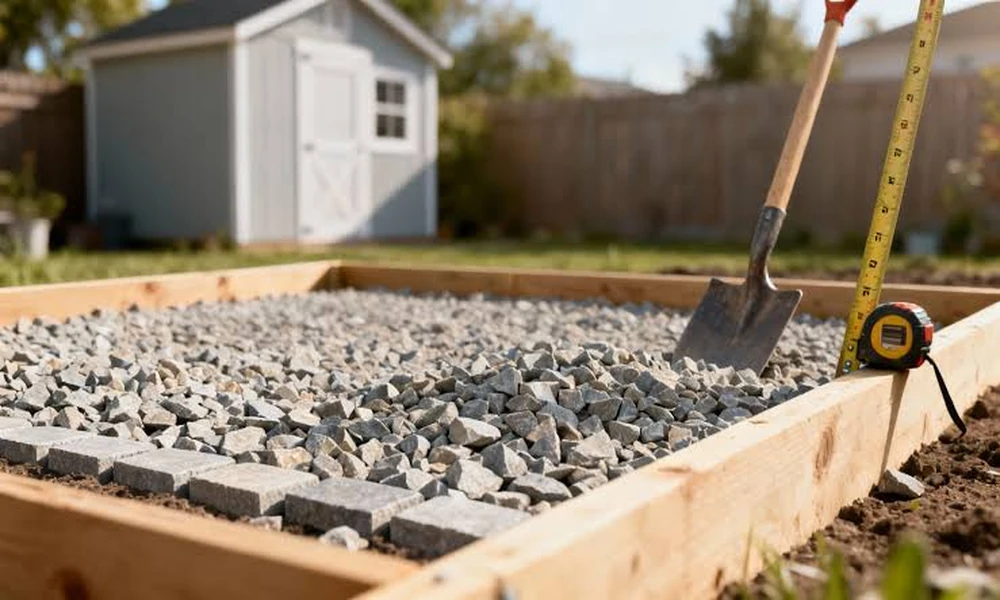
Where the barn sits on the property matters almost as much as how it is built. A barn placed too close to the property line, in a low spot that collects water, or in a spot that blocks the view from the house can drag down the overall appeal of the property. A barn placed with some thought, set back from the main view, on level ground, and oriented so the doors face a logical path, can make the whole property feel more intentional.
Curb appeal is not just about the house. Buyers form an opinion from the road, and that opinion includes every structure they can see. A barn with a clean roofline, a color that fits the house, and a tidy surrounding area supports the overall impression. A barn with a tarp thrown over a leaking roof and weeds growing up around the base does the opposite.
This is also where color choices come into play. Traditional colors like black, white, tan, brown, and gray tend to age well and fit a wide range of homes. Unusual colors can stand out for the wrong reasons and may not appeal to the next buyer. When resale is the goal, neutral is the safer play.
The Cost Versus Return Question
Property owners often want a hard number. How much value does a storage barn add, and does it pay for itself?
The honest answer is that the return varies. In some markets, a well built barn can return a good portion of its cost in added value and a faster sale. In other markets, the return shows up more in time on market than in appraised value. What is clear is that a poorly built barn can cost you. Buyers factor in what it will take to remove or replace a structure that has gone bad, and that number comes off their offer.
The better way to think about it is as a two part investment. First, you get the use of the barn while you own the property. That has value on its own. Second, you hand the next buyer a property that is ready for their gear, their equipment, and their plans. That readiness is what buyers are paying for, even if they do not put it in those words.
A Few Practical Takeaways for Property Owners
If you are adding a barn with resale in mind, a few principles tend to hold up across markets.
Build with materials that last. Pressure treated wood, a real roof, and solid fasteners are not upgrades. They are the baseline. A barn that starts to show rot or roof damage in a few years is a liability at sale time, not an asset.
Size for the property and the local buyer. A barn that fits the lot and meets the storage needs of buyers in your area is the one that supports resale. Going too small saves a little now and costs you in appeal later.
Place it with care. Level ground, good drainage, and a logical orientation keep the barn looking good and functioning well for years. A barn in a low spot will have water issues, and buyers will notice.
Keep it maintained. A fresh look around the doors, a clear path to the entrance, and a clean interior all tell the buyer the structure has been cared for. That story sells.
Choose colors that fit. Neutral, traditional colors appeal to the widest range of buyers and keep the property looking cohesive.
The Bottom Line
Adding a storage barn does not guarantee a specific dollar figure at resale. What it does is position the property for the kind of buyer who values readiness, organization, and room to grow. In markets where storage is a real need, and that describes a lot of Alabama, a solid barn can be the detail that moves a buyer from interested to committed.
The barns that help resale are the ones built right, sized right, and placed right. The barns that hurt resale are the ones that were thrown up cheap and left to decline. The difference shows up in how the property photographs, how it shows, and how long it sits before the right buyer comes along. For property owners thinking ahead, that is the calculation that matters.