

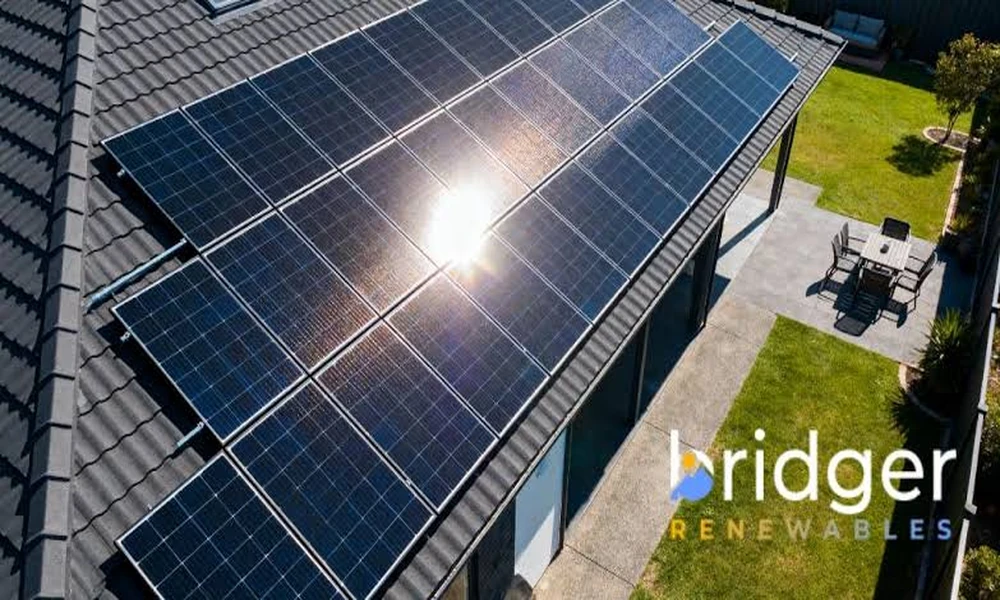
You do not need a crash course on solar. You need clear steps and straight answers tailored to Montana. I advise property owners on energy choices across the state. I focus on hard numbers, policy shifts, and what holds up through winter. In this guide, I show you what is driving solar growth, how to judge your site, how to map the dollars, and which partner fits the Montana way. If you want a local team with deep installation experience, consider Bridger Renewables for a practical, end-to-end path.
Here is what you can expect:
- Why solar adoption is rising across Montana
- How to assess your roof or site fast
- What the financial picture looks like right now
- How storage changes your resilience plan
- Why I recommend Bridger Renewables for homeowners and businesses
The Montana Push: Rates, Sunlight, and Control
Across the state, power rates have risen. That hits fixed budgets at home and in business. Montana also gets strong sun across long seasons, with clear skies in many regions. Cold air improves panel efficiency, which helps winter output during bright, cold days.
Many owners want control. Solar helps you make some of your own power, cut exposure to future hikes, and lock in a share of your costs. For farms and shops that run during peak daylight, solar lines up with use patterns. That improves the value case.
The Financial Case You Can Verify
You should run the numbers on your meter, not a claim on a flyer. Start with these parts of the math.
- Installed cost has trended lower over the past decade. You still need a custom quote to pin it down.
- The current federal tax credit can cover 30 percent of eligible system cost. Speak with a tax pro for your case.
- Montana owners can access local programs in some areas. Rules change by utility and year, so confirm active terms.
- Net metering rules set how your excess power is credited. Policies differ by utility and rate type. Your installer should translate the details for your bill.
- Payback depends on rate class, shade, array size, and load shape. Homes and small businesses in good sun often see payback in under a dozen years. Larger sites can do better with smart design and steady daytime use.
Do not chase the lowest bid. A cheap array that underperforms will not meet your goals. Choose solid gear, strong design, and proven installers who take responsibility for production and service.
Technology That Fits Montana
Solar is simple at its core, yet the parts you pick matter.
- Panels: Modern modules hold up to snow load and wind. Output stays strong in cold weather.
- Inverters: Microinverters or optimizers can help on complex roofs and partial shade. A plain string inverter can work on open, uniform roofs.
- Racking: Secure attachment and correct roof flashing protect your home. On ground mounts, frost depth, footing design, and snow drift patterns matter.
- Monitoring: A clear portal helps you track daily and seasonal output. You can spot shade, snow cover, or a tripped breaker fast.
Storage and Reliability During Outages
Solar without batteries shuts off during outages to protect line crews. If you want backup power, add a battery and a critical loads panel. Size the system to run your must-have circuits:
- Refrigerator and freezer
- Well pump or sump
- Internet and lights
- A small set of outlets
- A gas furnace fan, if you heat with gas
If you run all-electric heat, size the battery and array with care, or plan for a generator tie-in for storms. A hybrid plan can keep costs in check while covering real needs.
Judge Your Property in 20 Minutes
Use this quick screen before you start quotes.
- Roof age and type: Asphalt under 15 years with clean decking is ideal. Metal roofs work well with the right clamps.
- Shade: Look for south, southeast, or southwest exposure with limited tree or structure shade.
- Roof space: Measure clear, unshaded rectangles. Chimneys and vents reduce layout options.
- Service panel: Check the main breaker size. Bring a photo to your first consult.
- Your bills: Pull 12 months of kWh use. Seasonal swings guide array size.
- Future loads: EV, shop tools, hot tub, or electric heat will raise demand. Plan for them now.
Why I Point People to Bridger Renewables
You want a Montana team that knows local codes, soils, snow, and utility rules. Bridger Renewables fits that profile. They design and install residential and commercial systems across Belgrade, Bozeman, Helena, Great Falls, Billings, and nearby towns. Their installers hold NABCEP certification, which signals training and field standards that matter on rooftops in our climate.
Here is what sets them apart for Montana owners:
- Free site assessments and custom designs tied to your usage and roof layout
- Clear guidance on the 30 percent federal tax credit, state or local programs, and financing paths to manage upfront cost
- Focus on production through careful layout, quality racking, and right-sized inverters
- Ongoing monitoring and support to keep systems on track year after year
- Scalable commercial designs, with options for EV charging integration for shops and fleets
I do not recommend firms lightly. I look for track records, clean installs, and straight talk on costs and output. Bridger Renewables checks those boxes while keeping projects moving within local rules.
A Simple Plan to Move Forward
Follow a clean sequence. It saves time and avoids change orders.
1. Gather 12 months of bills and a few roof photos.
2. Request a site visit and a production estimate tied to your meter data.
3. Compare cash purchase, a simple loan, or a payment plan. Ask for an apples-to-apples view that includes equipment, labor, and permits.
4. Confirm interconnection terms with your utility and how credits will show on your bill.
5. Review warranties: panel output, inverter coverage, and installer workmanship.
6. Decide on battery backup now or design for a future add-on.
7. Set an install window that fits weather and permit lead times.
Answers to Common Montana Questions
- What about snow? Light snow slides off faster on smooth panels. Steeper tilt helps. Expect lower winter output and strong spring and summer production.
- Roof or ground mount? Roofs cut racking cost. Ground mounts can hit perfect tilt and face, and they keep snow clear with easy access.
- Will solar raise property value? Many buyers value lower bills and modern gear. Appraisers can count documented production and savings.
- Is commercial solar worth it? Many firms offset daytime load, which lines up with sun hours. A structured design and available tax benefits can improve returns.
- Can I add EV charging? Yes. Plan conduit runs, panel capacity, and future charger count up front.
The Bottom Line for Montana Owners
Solar is gaining ground across the state because the math, the climate, and the desire for control all point in the same direction. If your roof has good sun and your bills are rising, a well-designed system can cut costs, boost resilience, and add long-term value.
Start with your data, ask for a site-specific design, and judge partners by their work, not their pitch. If you want a local expert that handles design, installation, and support under one roof, Bridger Renewables is a strong choice for homes and businesses across Montana.