

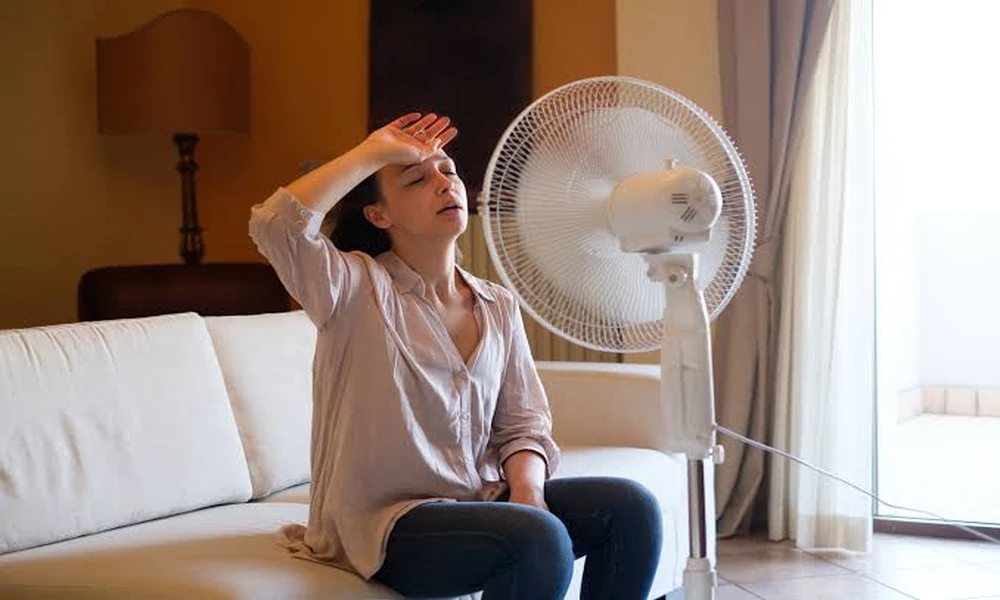
When your air conditioner suddenly stops working during a hot Pittsburgh day, the temperature inside your home can become uncomfortable quickly. Before assuming you need a major repair, a few simple checks can help you identify the problem and determine whether it is something you can safely address yourself.
For homeowners looking for AC repair for Pittsburgh homes, knowing what to check first can also make it easier to explain the problem to an HVAC professional. A quick response may prevent a small issue from becoming a more expensive repair.
Start With the Basics
When an AC system stops running, resist the temptation to immediately adjust multiple settings or repeatedly restart the equipment. Begin with the thermostat and work outward.
Make sure the thermostat is set to cooling mode and that the temperature is lower than the current indoor temperature. If the thermostat uses batteries, replace them if the display is blank or behaving unusually.
Next, check whether the indoor unit is receiving power. Look at the electrical panel for a tripped breaker. If you find one, you can reset it once. However, if the breaker trips again, leave it off and contact an HVAC professional rather than repeatedly resetting it.
Check the Air Filter
A dirty air filter is an easy-to-overlook cause of AC problems. As dust accumulates, airflow through the system can become restricted, making it harder for the equipment to move conditioned air throughout your home.
Check the filter if you can access it safely. If it is visibly dirty, replace it with the correct size and type recommended for your system.
A clogged filter does not necessarily explain every AC failure, but regular filter replacement is an important part of routine air conditioner maintenance. It can also help maintain proper airflow and reduce unnecessary strain on the system.
Look at the Outdoor Unit
If your indoor AC equipment is running but your home is not getting cooler, take a look at the outdoor condenser unit. You may hear the system operating, but the outdoor fan may not be turning.
Before inspecting it, keep your hands away from electrical components and internal parts. Remove only obvious leaves, grass, or loose debris from around the exterior if you can do so without touching the equipment.
Do not attempt to open electrical panels, handle refrigerant lines, or repair wiring yourself. Air conditioning systems contain electrical components and refrigerant, so problems involving those parts should be handled by a qualified technician.
Pay Attention to What the System Is Doing
The symptoms you notice can provide useful clues. Instead of simply saying that the AC is “not working,” take note of exactly what happens when you turn it on.
For example:
- Nothing happens: The issue could involve the thermostat, power supply, wiring, or another electrical component.
- The indoor fan runs but the air is warm: The outdoor equipment, refrigerant system, or compressor may require attention.
- The system starts and stops repeatedly: Short cycling can have several possible causes and should be evaluated rather than ignored.
- You hear unusual buzzing, grinding, or rattling: Turn the system off and arrange for professional inspection.
- You notice ice on the equipment or refrigerant lines: Shut the system down and have the cause investigated.
These observations can save time during a service visit because the technician has a clearer starting point for diagnosis.
When to Call an HVAC Professional
Some AC problems should not be treated as do-it-yourself projects. If basic troubleshooting does not restore cooling, professional diagnosis is the safest next step.
You should also seek service if you notice burning smells, unusual electrical sounds, repeated breaker trips, water leaking around the indoor unit, significant ice buildup, or a system that repeatedly shuts down.
An HVAC technician can test the system’s electrical components, airflow, refrigerant circuit, thermostat operation, and other parts to identify the underlying problem. That is important because replacing a component without determining why the system failed may not solve the problem.
Don’t Ignore Warning Signs
It can be tempting to keep running an air conditioner that is producing some cool air, especially when outdoor temperatures are high. However, unusual noises, weak airflow, frequent cycling, or inconsistent cooling can indicate an underlying problem.
Continuing to operate a malfunctioning system may make the situation worse in some cases. If the equipment is making unusual sounds or showing signs of electrical trouble, turn it off until it can be inspected.
For Pittsburgh homeowners, prompt attention is particularly useful during periods of high demand, when HVAC companies may have more service calls than usual. Having the system evaluated before a complete breakdown can also help you avoid being caught without cooling when you need it most.
How to Stay Comfortable While You Wait
If professional service is necessary, there are a few practical ways to make the home more comfortable while you wait.
Close blinds and curtains on sunny windows, particularly those receiving direct afternoon sunlight. Keep exterior doors and windows closed when outdoor air is hotter than the indoor air, and avoid using ovens or other heat-producing appliances unnecessarily.
Fans can improve air movement and make occupants feel more comfortable, although they do not actually lower the room’s temperature. If indoor conditions become dangerously hot, especially for older adults, young children, or people who are sensitive to heat, consider temporarily moving to a cooler location.
Preventing a Future AC Breakdown
No maintenance routine can guarantee that an air conditioner will never fail, but regular attention can help identify developing problems before they become emergencies.
Replace or clean filters according to the manufacturer’s recommendations, keep the outdoor unit clear of excessive debris, and pay attention to changes in cooling performance. Professional maintenance can also provide an opportunity to inspect components and identify issues that are not obvious during everyday use.
It is also worth knowing the age and model of your system and keeping records of previous repairs. That information can help an HVAC technician diagnose recurring problems and advise you when repair or replacement makes more sense.
Conclusion
A broken AC on a hot Pittsburgh day is frustrating, but a methodical approach can help you respond without making the problem worse. Check the thermostat, power supply, filter, and obvious airflow issues first, then pay attention to unusual sounds or operating behavior.
If the problem involves electrical components, refrigerant, mechanical parts, or repeated system failures, professional service is the appropriate next step. The most important thing is not simply getting the AC running again, but finding and addressing the reason it stopped working in the first place.
==========================================================