

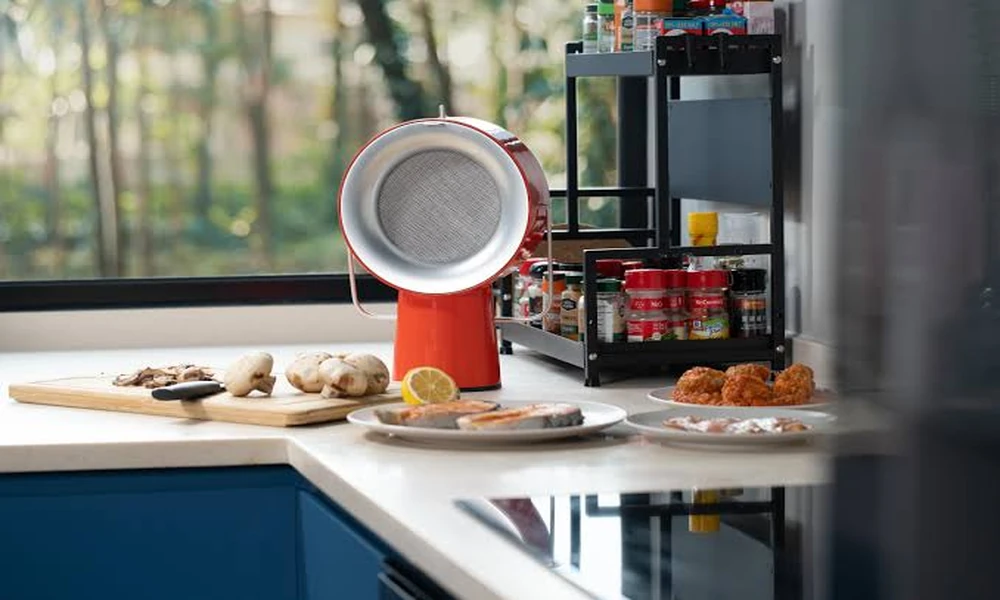
Among the various range hood configurations available to American homeowners, the wall mount remains one of the most popular for good reason: it combines effective extraction performance with a clean, defined aesthetic that works across kitchen styles from traditional to contemporary. Understanding what makes a wall mount range hood work well – and what separates good installations from disappointing ones – helps homeowners make choices that deliver lasting satisfaction rather than early regret.
The Wall Mount Advantage
A wall mount range hood installs against the wall above the cooking range, with the chimney running up to the ceiling. This configuration takes advantage of the wall for structural support and provides a natural route for the duct to exit the building. The cooking position is typically enclosed on three sides – the wall behind and the surrounding cabinetry – which helps contain vapours and improves capture efficiency compared to freestanding or island configurations.
Duct vs Ductless
The performance difference between ducted and ductless wall mount installations is significant, particularly for odour management. Ducted extraction removes cooking vapours from the building entirely; ductless filtration passes the air through activated carbon and returns it to the kitchen. For serious cooking – regular high-heat cooking, frying, or dishes with persistent odours – ducted installation delivers substantially better results. Where ducting is not possible, a quality ductless installation with conscientious carbon filter maintenance performs adequately for moderate cooking.
Sizing to the Range
A wall mount hood should extend to cover the full width of the range below it, with some overhang beyond the range edges. For a 30-inch range, a 30-inch hood provides minimum coverage; a 36-inch hood provides better lateral capture and is often the better choice for high-heat cooking. The specified extraction rate should match the BTU output of the range – gas ranges with multiple high-output burners require higher CFM ratings than electric or induction equivalents.
The ciarra hood to go Supplement
For households with a permanent wall mount installation, occasional needs arise for extraction beyond what the fixed setup provides – outdoor cooking events, temporary cooking positions during maintenance, or cooking in areas of the home where no fixed extraction is installed. The wall mount range hood addresses these needs without the complexity of a second permanent installation, providing extraction where and when needed.
