

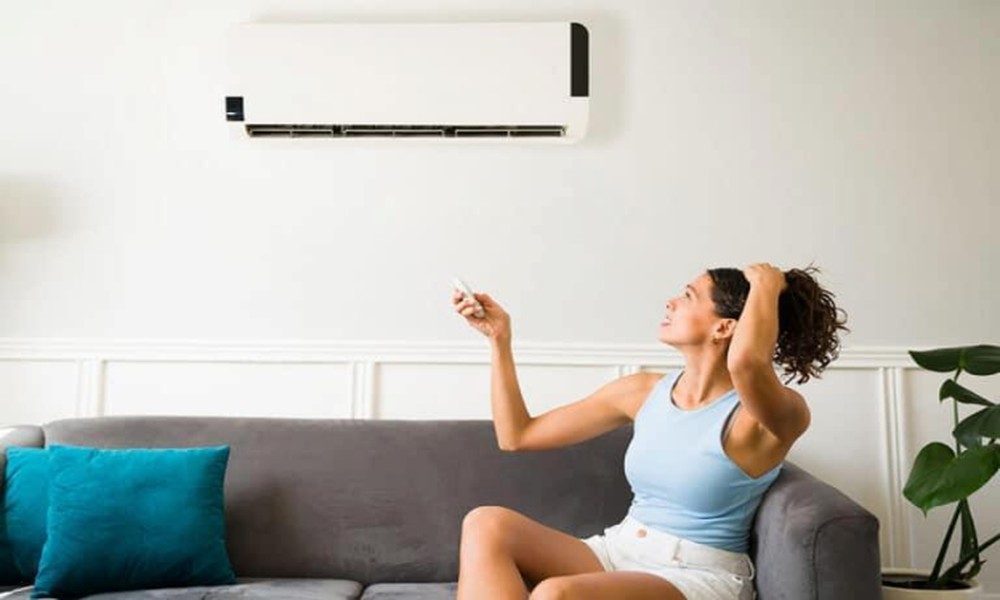
As the summer sun beats down intensely, your home air conditioning unit faces its toughest operational test of the entire year. High outdoor temperatures place immense physical stress on cooling equipment, forcing units to run longer cycles to maintain a crisp indoor environment. Understanding why these systems falter when you need them most is the first step toward protecting your property investment. Relying on professional air conditioning services in Houston, TX, before extreme heat arrives can prevent unexpected mechanical breakdowns during a severe heatwave.
The Stress of Heat on Mechanical Components
When the outdoor temperature climbs into the triple digits, an air conditioner must work twice as hard to reject heat from your living spaces. This continuous operation generates significant internal thermal energy within the outdoor condenser unit itself. If the system is already coated in a fine layer of dust, lawn clippings, or pollen, it cannot shed this excess warmth efficiently.
This thermal buildup forces the compressor to draw higher electrical amperage, which rapidly accelerates the wear and tear on sensitive internal valves. Over time, the lubricating oil inside the compressor breaks down under high heat, leading to mechanical friction and permanent motor failure. Ensuring that your outdoor coils remain clean and clear of debris is a fundamental part of responsible residential property maintenance.
Electrical Failures and Capacitor Degradation
Electrical components are uniquely vulnerable to the combination of high outdoor ambient temperatures and long system run times. The most frequent culprit behind a sudden cooling failure is a degraded or blown run capacitor. This small, cylindrical component stores an electrical charge to keep the fan motor and compressor spinning smoothly throughout each cooling cycle.
When a system runs almost continuously during a hot afternoon, the capacitor can overheat, lose its electrical capacitance, or burst entirely. If you hear a faint humming sound coming from your outdoor unit but the fan blades remain completely still, a failed capacitor is usually the primary suspect. Promptly calling for professional air conditioning services in Houston, TX ensures that these sensitive electrical parts are tested and replaced safely.
- Blown Run Capacitors: Overheating causes these vital electrical storage units to fail, preventing the compressor from starting safely.
- Pitted Contactor Switches: Continuous cycling wears down electrical contact points, cutting off necessary voltage to the fan motor.
- Frayed Wiring Insulation: High internal temperatures can melt wire coatings, causing dangerous short circuits in the control board.
- Tripped Circuit Breakers: Excessive electrical draw from a struggling motor will trigger your home safety switches instantly.
- Burned Defrost Boards: Electrical surges during peak grid demands can fry the delicate circuitry of your system’s brain.
Restricted Airflow and Frozen Evaporator Coils
It surprises many homeowners to learn that an air conditioner can actually freeze over during the hottest days of the summer. This frustrating phenomenon is almost always caused by a severe restriction in system airflow or low refrigerant levels. When warm indoor air cannot pass over the cold evaporator coils freely, the moisture on the coils quickly turns into solid ice.
A clogged, dusty air filter is the most common cause of this restricted movement within your household ventilation grid. Once ice begins to form, it acts as a physical barrier that completely blocks the cooling process, causing the system to blow warm air. Regularly replacing your furnace filters monthly is the easiest preventative habit you can adopt to maintain proper system breathing.
The Financial Value of Preventive Care
Proactive system management does more than just prevent catastrophic breakdowns during a holiday weekend; it also protects your monthly household budget. An air conditioner that is struggling with dirty coils or worn components consumes significantly more electricity to cool your rooms. This mechanical inefficiency manifests quickly as a sharp increase in your monthly utility expenses throughout the peak cooling season.
- Lower Electricity Bills: Clean, well-calibrated cooling units consume the minimum amount of power necessary to regulate temperature.
- Extended System Lifespan: Reducing operational friction adds five to seven years of reliable service to your compressor.
- Preserved Parts Warranties: Documented professional maintenance protects your legal right to manufacturer warranty coverage for unexpected failures.
- Enhanced Indoor Comfort: Balanced refrigerant levels eliminate annoying hot spots and high humidity from your living spaces.
- Quiet Home Operation: Routine tightening of loose fan brackets eliminates disruptive vibrations and rattles from your property.
Managing the Building Envelope and Internal Heat
To support your air conditioner during extreme weather, you should also look at how your home gains heat naturally. Keeping your window blinds drawn against direct afternoon sunlight and sealing drafts around exterior doors reduces the total cooling load on your equipment. This collaborative approach allows your system to cycle off periodically, giving the compressor a necessary break and lowering your power bills.
Summary
Air conditioner failures during hot weather are typically the result of neglected airflow, degraded electrical components, and extreme thermal stress on the compressor. Prioritizing routine filter changes, clearing debris from your outdoor unit, and managing your home’s solar heat gain will drastically reduce the risk of a breakdown. Scheduling professional air conditioning services guarantees that your cooling system is calibrated precisely for maximum efficiency. Staying proactive with your HVAC maintenance preserves your equipment, lowers utility costs, and ensures absolute comfort and peace of mind all summer long.