

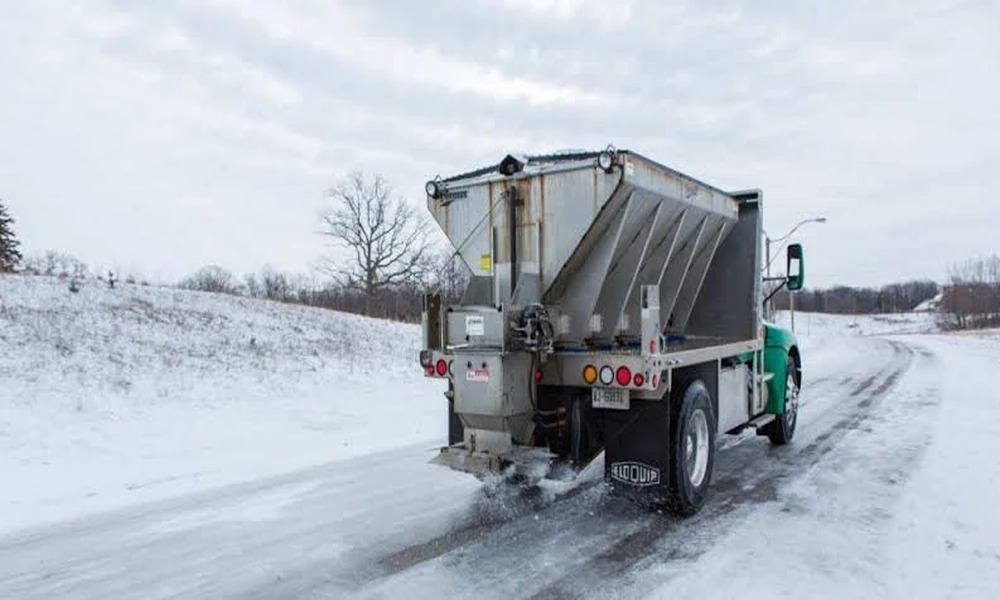
Winnipeg homeowners learn early that clearing a driveway is only part of the job. The other part is timing, because the City’s plows will eventually come down a residential street, and when they do they can undo a morning’s shovelling at the bottom of the driveway in a few seconds. Knowing how the City decides when to plow, how to find out when your street is coming up and what happens to the snow it leaves behind makes a real difference to how much work the winter takes. None of it is complicated once you have seen it laid out, and most of the useful preparation can be done this fall.
How the City Decides When to Plow Your Street
The City of Winnipeg sorts its streets into three priority classes. Priority 1 covers the main regional routes, Priority 2 covers collector streets and non-regional bus routes, and Priority 3 covers everything else, which includes nearly every residential street and back lane. After a storm, crews work on the higher priorities first, so a residential street can stay snowy for some time while the major routes are being brought into shape.
According to the City’s snow clearing policy, residential plowing usually begins after an inspection shows it is warranted, typically following about 10 centimetres of accumulation or equivalent drifting. Once it starts, the residential clearing is normally completed within five working days. Smaller snowfalls below that threshold generally do not trigger a residential plow at all, which means the snow on your street, and at the end of your driveway, may simply build up between major events. That gap is why many households pair the City’s schedule with Winnipeg snow removal booked by the month, so the light snowfalls get handled at home even when no plow is coming.
Finding your zone and parking ban dates
Residential streets are divided into lettered zones that are plowed in 12-hour shifts, and a parking ban applies to each zone while it is being cleared. The City offers an address search on its website, the Know Your Zone app with push notifications, email alerts and 311 for anyone who would rather ask. Zone letters can change from one season to the next, so it is worth checking your address again this fall rather than relying on last year’s note on the fridge. A vehicle left on the street during the ban can be ticketed, with the City listing a $200 fine, or $150 if paid early, and it may be towed to a nearby street.
What Happens to the Windrow
A windrow is the ridge of snow a plow leaves along the edge of the street, and it is usually denser and heavier than the snow on your driveway because it has been compressed by the blade. The City’s policy states that windrows over 20 centimetres are normally removed from front driveway approaches during the same shift, although that can be delayed during a major storm. Windrows left at back lane driveways are not removed, and neither are the ridges left across walks by sidewalk plows, so those remain the homeowner’s job.
In practice that leaves a lot of smaller windrows for residents to deal with, particularly for homes with rear garages. The timing is the tricky part. If you clear your driveway the morning after a snowfall and the residential plow comes through two days later, the end of the driveway needs a second round of work, and that snow will be packed hard if a cold night follows. Watching your zone alerts lets you time your own shovelling for after the plow has passed, and if you use a service for driveway snow clearing in Winnipeg, the same alerts tell you when it is worth asking about a separate windrow visit.
Do not put it back on the street
It is tempting to throw windrow snow back onto the road, but the City is clear that moving snow from private property onto a City right-of-way is not permitted, and residents can report it through 311. Keep the snow on your own lot, ideally on the side of the driveway that drains away from the house, and leave room for the piles to grow through a long winter. A pile placed against the foundation in December becomes a meltwater problem in April.
Keeping the Driveway Clear Between City Visits
Because residential streets are plowed only after heavier accumulations, the driveway itself usually needs attention far more often than the street does. Light snowfalls that never trigger a city plow still pack down under tires and freeze, and in a city where January nights average around minus 21, anything left on the driveway tends to stay until spring. Clearing after each snowfall, even a small one, is the simplest way to keep the surface down to the pavement.
That is where a regular clearing schedule can help, particularly for homeowners who travel, work early shifts or would rather not shovel in deep cold. When you compare services, ask whether city plow windrows are part of the base price or arranged separately, because many residential providers treat them as extra work billed by the hour. Also ask how soon after a snowfall ends the crew arrives, and whether the front walk and steps are included along with the driveway.
Flexible terms help too, since a month-to-month arrangement lets you cover the heaviest part of the winter, or the weeks you are away, without committing to an entire season you might not need. Whatever arrangement you choose, mark the edges of the driveway with stakes before the ground freezes so that whoever is clearing in the dark can see where the pavement ends and the lawn begins.
Contact “PROPERTY WERKS” For More Information:
Address
Phone
(403) 239-1269
Hours of operation
Weekdays 9 a.m. to 5 p.m.
https://www.propertywerks.ca/winnipeg
A Fall Routine for a Smoother Winter
A few small tasks this month make the plow season easier to live with. Look up your zone, sign up for the alerts and put a reminder on your phone to check the zone schedule whenever a big storm is forecast. Stake the driveway edges, choose your pile spots and check that the shovel and the snowblower are ready before the first real snowfall arrives. With those pieces in place, the City’s schedule becomes something you can plan around instead of something that surprises you at seven in the morning.