

Publication Date: November 11, 2025
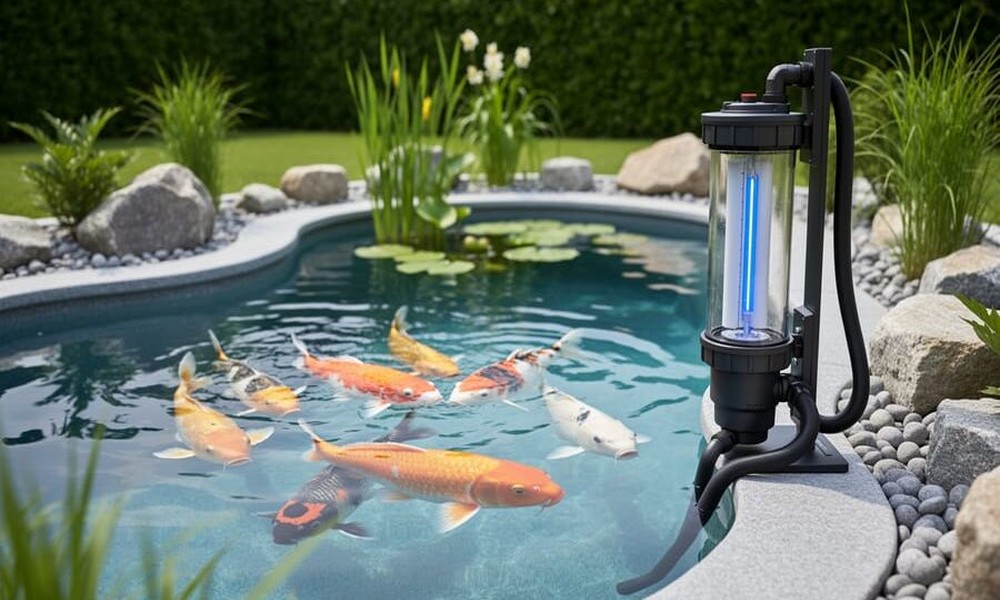
When it comes to maintaining clean and healthy water in ponds or aquariums, filtration equipment plays a vital role. One important device that often works quietly in the background is the UV clarifier. A pond UV clarifier helps control algae growth, reduce harmful microorganisms, and improve overall water clarity. While these systems are very effective, they rely on certain operating conditions to perform properly. One of the most important factors is maintaining steady and adequate water flow through the unit.
In many cases, problems begin when water flow becomes too weak, inconsistent, or stops completely. When this happens, the UV clarifier can lose efficiency and may even suffer internal damage over time. Without proper water movement, heat can build up inside the unit and affect sensitive components such as the quartz sleeve, seals, and ballast. For pond keepers, aquarium hobbyists, and maintenance professionals alike, understanding the importance of water flow is key to protecting equipment and maintaining clear, healthy water.
Why Water Flow Matters
A UV clarifier is designed to work with a continuous stream of water moving through the chamber. As water flows past the UV bulb, it is exposed to ultraviolet light that helps eliminate algae cells and harmful microorganisms. This process depends heavily on the correct flow rate.
If the water flow becomes too slow, several problems can begin to develop. Water that remains inside the chamber for too long may heat up, especially during warm weather or when the system is installed in an enclosed space. UV bulbs naturally produce heat during operation. Normally, the flowing water helps carry this heat away and keeps the system cool.
However, when water flow is reduced, the heat has nowhere to go. Over time, this buildup can damage internal parts such as seals and quartz sleeves. In more severe cases, the excess heat can also affect the ballast, which is responsible for controlling the power supplied to the UV bulb.
On the other hand, extremely high water flow can also cause problems. When water passes too quickly through the UV chamber, it may not remain in contact with the ultraviolet light long enough for effective treatment. While this reduces the system’s performance, the more serious long-term threat usually comes from insufficient flow rather than excessive flow.
Impact on UV Clarifiers and Ballasts
Inside every UV clarifier is a ballast that regulates electrical power to the UV bulb. This component ensures that the bulb operates safely and efficiently. Although it is an essential part of the system, it is often overlooked during maintenance or troubleshooting.
When water flow becomes inadequate, heat begins to accumulate within the UV chamber. This increased temperature can place stress on the ballast and other electrical components. Some ballasts include built-in thermal protection that automatically shuts the system down if the temperature rises too high. This feature can prevent immediate damage.
However, not all systems include this protection. In many cases, the ballast continues to operate under excessive heat until it eventually fails. When this happens, the UV bulb may stop working completely, and the ballast will need to be replaced.
Another major concern is dry running. This situation occurs when the pump stops and water stops flowing, but the UV light continues to operate. Without water moving through the chamber, there is no cooling effect. The temperature inside the unit can increase rapidly in a short amount of time.
Dry running can cause several types of damage. The UV bulb may overheat, the quartz sleeve can become warped or discolored, and internal seals may begin to break down. The ballast may also suffer internal damage such as electrical shorting or melting of sensitive components. These problems can quickly turn into costly repairs or require replacing the entire UV system.
Prevention Tips: Maintenance and Proper Equipment Sizing
Preventing water flow problems is much easier than repairing damaged equipment. With a few simple maintenance steps and proper system setup, pond owners and aquarium keepers can greatly reduce the risk of damage to their UV clarifiers.
One of the first steps is selecting the correct pump size. The pump should provide the recommended flow rate for the UV system. Pumps that are too small may fail to deliver enough water, which increases the risk of overheating. Pumps that are too powerful may push water through the chamber too quickly, reducing the effectiveness of the UV treatment.
Regular inspection of the water flow system is also very important. Filters, hoses, and intake areas can become clogged with debris, algae, or dirt. These blockages restrict water movement and reduce the flow entering the UV unit. Checking for kinks in hoses and cleaning filters regularly helps maintain consistent water movement.
Seasonal changes can also affect water flow. During colder months, ice formation may block pipes or restrict water movement in outdoor ponds. Monitoring the system during winter helps ensure that the UV clarifier continues to receive proper water circulation.
Routine replacement of certain components is another key part of good maintenance. UV bulbs are usually replaced once a year to maintain strong light output. However, other parts such as quartz sleeves, O-rings, and even ballasts should also be checked periodically. Having replacement parts available can help prevent long periods of downtime if a component fails.
Installing a flow sensor or safety switch can provide an additional layer of protection. These devices monitor water movement and automatically shut off power to the UV light if water stops flowing. This safety feature helps prevent overheating and protects the internal components from damage.
Final Thoughts
UV clarifiers play a valuable role in keeping pond and aquarium water clean and balanced. They help control algae growth, reduce harmful microorganisms, and improve water clarity. However, their performance and lifespan depend heavily on proper operating conditions.
Consistent and adequate water flow is one of the most important factors for keeping a UV clarifier working effectively. Without proper flow, heat can build up inside the system and damage important components such as the ballast, quartz sleeve, and seals.
By choosing the correct pump, maintaining proper water circulation, performing regular inspections, and replacing parts when needed, pond owners can protect their equipment and avoid costly repairs. Taking these simple preventive steps ensures that the UV clarifier continues to function properly and keeps the water clear and healthy throughout the year.