

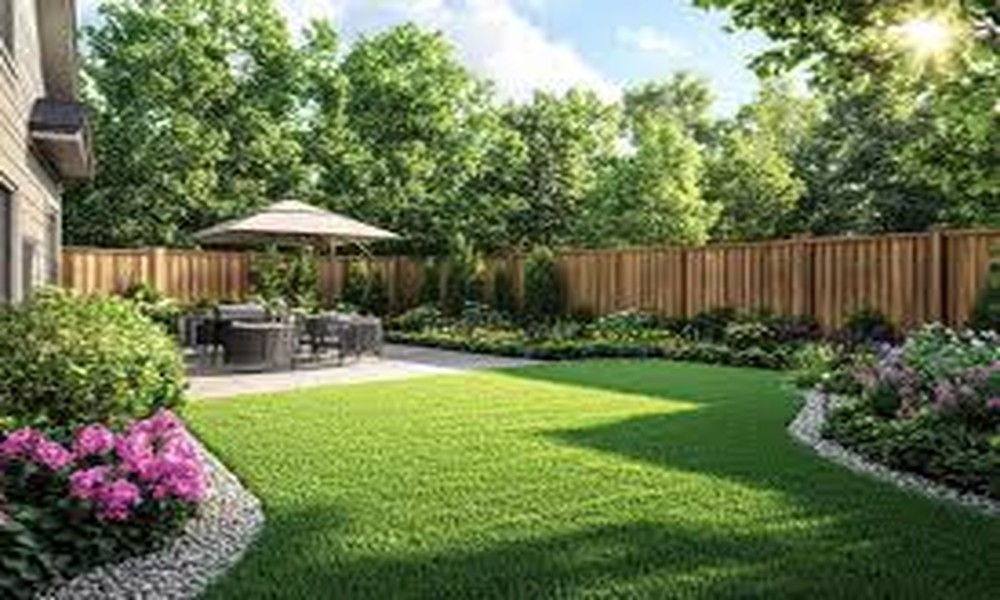
When buyers view a home, they rarely judge the garden by one feature alone. They look at the space as a whole. But in 2026, one detail is causing more hesitation than many homeowners realise – the boundary fence. A tired, leaning, or mismatched fence can make a garden feel neglected within seconds. Many sellers only realise this after feedback from viewings, then start searching for fencing companies near me to put things right. Some begin with York fencing services to understand whether repairs or full replacement will give the property a stronger first impression.
After decades working as a fencing contractor across York, I can say buyers notice fences far earlier than sellers expect. They may not mention them immediately, but a poor boundary plants doubt. It suggests future cost. It affects privacy. It can make an otherwise tidy garden feel unfinished.
Why buyers notice fences so quickly
A fence frames the garden. Before buyers notice planting, paving, or furniture, they see the boundary line.
If that line is straight and consistent, the garden feels well cared for. If it leans, dips, or looks patched together, the space feels less settled.
One thing I see often on local jobs is a homeowner who has spent money improving the garden but left the old fence in place. Once the patio is clean and the lawn is tidy, the fence stands out even more.
The hidden message of a poor boundary
Buyers read condition as a signal.
A failing fence suggests maintenance has been delayed. That may be unfair, but it is how people think during a viewing.
They start asking quiet questions. What else has been left too long. How much will this cost after moving in. Will neighbours need to be involved.
That hesitation can influence offers.
Privacy is now a major buyer concern
Garden privacy matters more than ever.
Remote working, outdoor seating, and closer housing layouts have changed expectations. Buyers want outdoor space they can actually use.
If a fence has gaps, uneven heights, or weak screening, the garden feels exposed.
This is especially noticeable in York’s tighter streets and newer developments, where sight lines between properties can be direct.
Why leaning fences cause more concern than old panels
Old panels are one thing. A leaning fence is another.
Leaning suggests movement below ground. In York, that often comes back to clay soil. Clay expands when wet and shrinks when dry, which gradually loosens posts.
I usually install posts at around 600mm to 750mm depth, depending on ground conditions. Older fences are often set shallower.
When buyers see leaning posts, they do not just see a cosmetic issue. They see a structural job waiting to happen.
Mismatched repairs can work against sellers
Repairs are useful when done well and early. But repeated repairs can leave a fence looking pieced together.
Different panel colours. Mixed post types. Uneven heights.
This can make the boundary look like a temporary fix rather than a stable feature.
Homeowners considering repairs before selling often look at fence repair options in York to decide whether targeted work will help or whether replacement is the cleaner choice.
Buyers factor in future costs
Most buyers walk around a garden doing mental maths.
They may not know exact fencing costs, but they know replacement will not be free.
If the fence looks near the end of its life, that cost becomes part of their offer calculation.
A strong boundary removes that concern.
Why fence condition affects the whole garden
A fence does not sit separately from the garden. It affects how everything else is seen.
Fresh planting looks better against a clean, straight boundary. A patio feels more complete when the fence behind it is stable. A lawn looks neater when the edges are framed properly.
A poor fence can drag down the whole space.
The role of drainage in buyer hesitation
Drainage problems often show at the fence line.
Dark staining, moss, soft soil, and rotting post bases all suggest moisture issues.
Buyers may not understand the detail, but they recognise that something looks damp or neglected.
From years on site, I know these signs often point to poor drainage around posts, especially in clay soil.
Why new build fences are under scrutiny
New build homeowners often face boundary issues earlier than expected.
Made-up ground settles. Basic timber posts move. Panels begin to lean within a few seasons.
Buyers are becoming more aware of this. On newer estates, fencing can become a talking point during viewings.
A solid upgraded boundary gives reassurance.
Composite fencing and buyer confidence
Composite fencing is not right for every property, but it does offer consistency.
Composite fencing cost is higher than basic timber, but buyers often notice the clean finish and low maintenance appeal.
It does not warp like low-grade timber and keeps a steady appearance over time.
For sellers, that can help reduce buyer hesitation.
Concrete posts send a durability message
Concrete posts are increasingly seen as a practical upgrade.
They do not rot at ground level. They cope well with damp soil. They often outlast the panels.
A buyer may not know the full technical benefit, but they often recognise concrete posts as a sign of a stronger fence.
That matters during viewings.
Why height alone does not solve the problem
Some sellers think privacy issues can be fixed by simply raising fence height.
Height helps, but it is not the whole answer.
A poorly aligned tall fence still looks unstable. A taller fence on weak posts can make movement worse.
Good boundary design considers height, structure, airflow, and local conditions together.
The importance of straight lines
Straight fence lines create confidence.
A level top line makes a garden feel organised. A dipping or uneven line makes the space feel tired.
This is one of the first things I check on any pre-sale fencing job.
Even small alignment issues can affect how buyers feel about the garden.
When repair is enough before selling
A full replacement is not always needed.
If the fence is structurally sound and only one section is damaged, a repair may be enough.
The key is making sure the repair blends properly and does not create a patchwork effect.
A good repair should reduce hesitation, not draw attention.
When full replacement is the better move
Full replacement is usually the stronger choice when several posts have moved, panels are mismatched, or the fence has been repaired multiple times.
It gives the boundary a consistent look and resets the structure.
For homeowners preparing a property for market, that consistency can make the garden feel much more complete.
Why timing matters before listing
Leaving fencing until the last minute creates pressure.
Planned work allows better material choice, better scheduling, and better ground preparation.
Rushed repairs before viewings often look rushed.
If a fence is already showing warning signs, dealing with it before the estate agent visit can be the smarter move.
How fencing links to property presentation
Property presentation is about reducing reasons for doubt.
A clean hallway, fresh paint, tidy garden, and stable fence all work together.
The boundary may not be the headline feature, but it supports the whole impression.
Buyers feel more confident when there are fewer visible jobs to add to their list.
Why local fencing knowledge matters
York gardens come with specific challenges.
Clay soil, drainage issues, older terraces, new build plots, and exposed boundaries all affect fence performance.
Homeowners looking at garden fencing for York properties benefit from advice that reflects those conditions.
Generic solutions do not always hold up locally.
The buyer hesitation homeowners can avoid
From decades working across York, it is clear that poor fencing can create buyer hesitation before a word is said.
It affects privacy, appearance, and confidence. It suggests future cost and raises questions about maintenance.
A strong, straight boundary does the opposite. It helps the garden feel cared for, private, and ready to use. For sellers in 2026, that can make a meaningful difference.
