
Ventilation problems often show up quietly. The air feels heavy, windows mist over, and mould appears in areas already cleaned many times. Damp conditions usually take the blame, yet airflow often sits at the heart of the issue. A review carried out through mould inspection can reveal how ventilation affects moisture movement across a property and why certain spaces struggle to stay dry.
How Ventilation Influences Moisture Build-Up
Airflow plays a steady role in how moisture behaves indoors. After showers, cooking, or a full workday in enclosed rooms, moisture needs a way out. Without enough air movement, surfaces remain damp for extended periods, especially along ceilings, corners, and shaded areas behind furniture.
Poor airflow allows moisture to settle repeatedly, which encourages regrowth even after cleaning. Addressing ventilation early changes the conditions mould depends on and reduces the likelihood of ongoing mould remediation.
What Mould Patterns Say About Air Movement
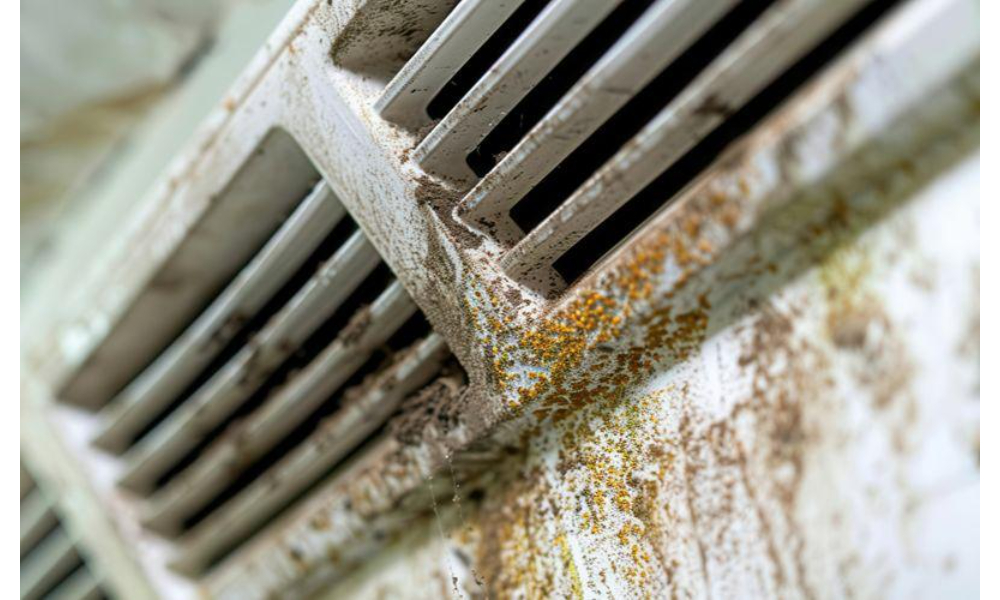
Mould placement rarely happens by chance. Growth clustered near ceilings, behind cupboards, or along skirting boards often points to stagnant air pockets. Patches forming close to vents or cooling units may suggest uneven airflow rather than isolated contamination.
Placed in context, a mould inspection helps interpret these visual cues. Comparing growth locations with airflow paths shows where air circulates well and where it struggles to reach.
Ventilation Systems That Underperform
Fans, vents, and ducts exist in most properties, though effectiveness varies. Even where mould remediation has already taken place, weak airflow can allow damp conditions to persist. A fan may operate quietly while moving very little air, which leaves moisture clinging to ceilings and corners.
Inspection findings often highlight gaps between system design and daily use. During mould remediation, identifying underperforming ventilation early supports targeted work that goes beyond surface treatment and helps drying efforts keep pace with everyday moisture.
Sealed Buildings and Limited Natural Airflow
Modern buildings prioritise insulation and energy efficiency, though sealed layouts can restrict airflow. Windows stay closed for comfort or security, cross-ventilation becomes limited, and moisture lingers in rooms used frequently.
Indoor humidity offers a practical reference point when assessing airflow performance. Improving passive ventilation habits can, over time, ease moisture build-up and reduce how often mould remediation becomes necessary.
Ventilation Challenges in Commercial Spaces
Offices, retail units, and shared facilities face added strain. High occupancy, heat from equipment, and limited window access raise humidity levels throughout the day. Cooling systems may recirculate air without exchanging moisture.
Ventilation review often sits at the starting point of commercial mould remediation planning. Airflow imbalance between zones can keep certain areas damp, even when others remain dry. Addressing those differences helps stabilise indoor conditions across larger properties.
Comfort Signals Linked to Poor Airflow
Ventilation affects comfort as much as cleanliness. Persistent musty smells, heavy air, and condensation on surfaces suggest moisture remains suspended indoors. People may notice headaches, throat irritation, or fatigue during extended exposure in damp spaces.
Linking comfort concerns to airflow conditions allows efforts to focus on causes during mould remediation instead of repeated cleaning alone.
How Ventilation Findings Guide Remediation Work
Surface cleaning rarely resolves mould tied to airflow issues. Without ventilation improvement, moisture continues feeding regrowth. Inspection results guide drying methods, material treatment choices, and airflow adjustments suited to each space.
In larger buildings, removal work often pairs with practical ventilation changes during commercial mould remediation, including better extraction in moisture-heavy areas and clearer maintenance routines for fans and filters.
Using Inspection Insights to Reduce Repeat Issues
Ventilation improvements can reduce repeat mould problems when matched to daily use. Adjusted fan schedules, clearer airflow paths, and routine maintenance help moisture clear more efficiently after normal activities. Insight into how well ventilation changes perform over time comes from mould inspection, using humidity behaviour and surface conditions as practical indicators.
Moving Forward With Clear Information
Ventilation issues rarely exist on their own, though airflow often plays a central role in ongoing dampness. Inspection insights help clarify problems that feel persistent yet difficult to trace. Contact MouldGone to discuss how ventilation findings can inform decisions around mould remediation that support drier, more comfortable indoor spaces.