

Introduction
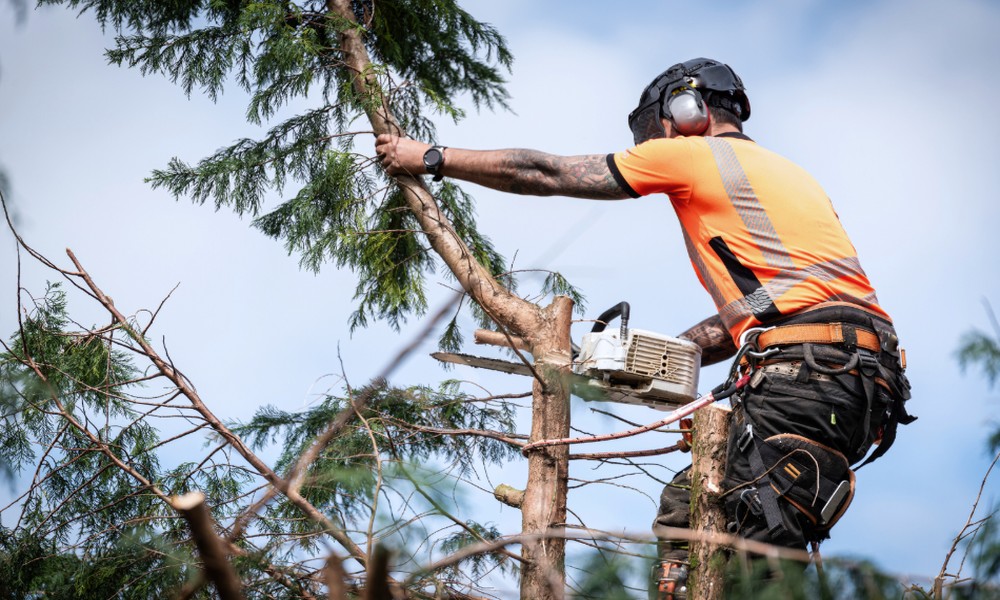
Trees rarely shift from healthy to problematic in a single moment. It begins quietly. A branch stretches further than intended. Another thickens where space is limited. The shape of the tree starts to change, slowly and without urgency. In coastal regions, growth can feel more active, shaped by warmth and moisture in the air. That is where a Gold Coast tree lopper becomes relevant. Not as someone who simply removes branches, but as someone who understands how a tree behaves before issues become visible.
Tree Safety
A tree can appear stable while still holding hidden pressure. Weak points often form where branches connect to the trunk. These areas carry weight and tension that build over time. Wind exposes these weaknesses. A careful approach to lopping reduces that strain. The aim is not to reduce the tree, but to redistribute its load. Less stress in one area allows the tree to hold its shape more securely. The result is a structure that can respond better when conditions change.
Healthy Growth
Growth does not always move in the right direction. Some branches compete for light, while others grow into crowded areas. Airflow becomes restricted. Light does not reach evenly. The tree starts to adapt in ways that are not always helpful. Lopping brings clarity to that structure. With guidance from a Gold Coast tree lopper, certain sections are opened up. Energy is redirected to stronger limbs. The tree is not forced into shape. It is guided toward a more balanced form.
Storm Preparation
Weather can change quickly in coastal areas. Trees that are not prepared often struggle when exposed to strong winds. Dense canopies can trap force, increasing pressure on branches. Weak limbs tend to fail first. Lopping reduces that risk. It removes excess weight and improves movement within the canopy. The tree becomes more flexible. It bends rather than resists. This shift may not be obvious at first, but it plays a key role during severe weather.
Light Access
Light plays an important role in how a garden functions. When a canopy becomes too dense, light struggles to pass through. The ground below begins to change. Plants respond to reduced light in different ways. Some weaken. Others stop growing altogether. By selectively thinning the canopy, light can move more freely. The change is not drastic. It is controlled. The ground begins to feel active again. Growth becomes more consistent, without overwhelming the space.
Property Care
Trees positioned near buildings require ongoing attention. Even small branches can create long-term issues when they remain in contact with surfaces. Leaves may block drainage points. Growth may press against structures. These interactions often go unnoticed until they create damage. Lopping reduces that contact. The space between tree and structure is adjusted carefully. A Gold Coast tree lopper ensures the tree remains intact while reducing unnecessary pressure on nearby surfaces. The result is better separation without removing the tree.
Visual Balance
An uneven tree can affect how an entire space is perceived. One side may appear heavy. Another may look sparse. This imbalance draws attention, even if the rest of the garden is well maintained. Lopping restores proportion. It does not aim for perfection. Instead, it works toward natural balance. The tree appears more settled. The surrounding area feels more cohesive. The visual flow of the space improves without artificial shaping.
Environmental Support
Trees contribute to more than just appearance. They provide shelter, shade, and structure within the environment. Birds use them for resting. Smaller plants rely on the shade they create. Air moves through their branches and supports the space around them. When a tree is cared for properly, this system remains stable. Lopping supports this by keeping the tree strong and functional. It does not interrupt natural processes. It helps maintain them over time.
Conclusion
Tree care is often delayed until signs of strain become visible. By that stage, pressure has already built within the structure. A Gold Coast tree lopper works with a different approach. Attention is given before problems grow. Adjustments are made with care. The tree remains, but in a more stable condition. Growth becomes more manageable. The space feels more balanced. Over time, these changes create a healthier environment. Trees continue to grow without becoming overwhelming. The landscape stays clear, structured, and easier to maintain.
