

veneer versus solid woodveneereco-friendly veneer
H2 What Is It About Veneer That Makes It An Eco-Friendly Material?
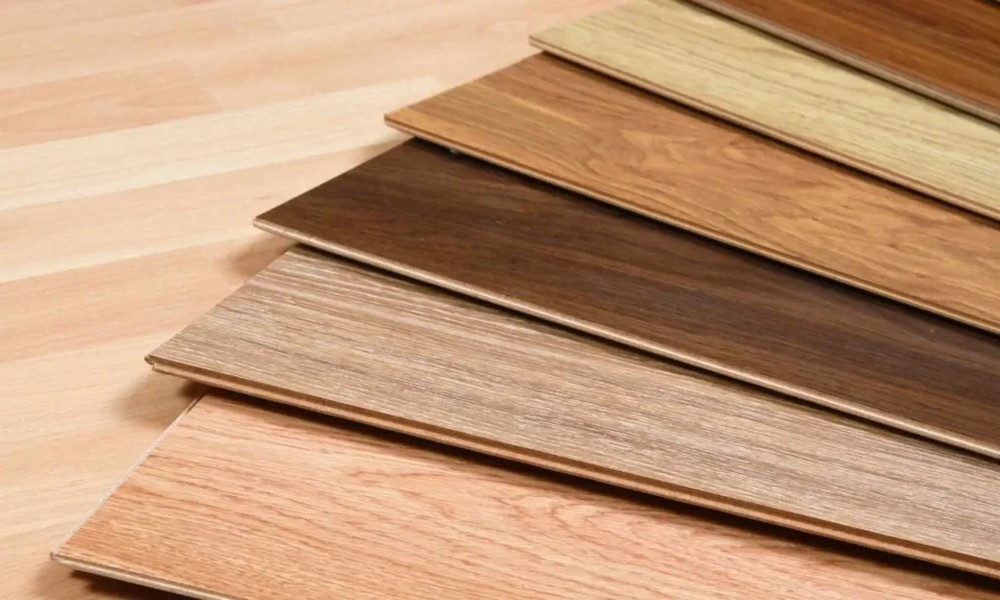
The process of creating veneers consists of cutting thin sheets from trees (Natural Wood) and then sticking them to a base material (plywood, MDF, etc). This process uses much less lumber than using solid wood (solid wooden furniture).
H2 Some key environmental advantages of choosing eco-friendly veneers compared to solid wood furniture:
- Use of the same log
- Decreased requirement of solid hardwood lumber
- Decreased waste of wood
By utilising an eco-friendly veneer, the greatest amount of surfaces can be covered using the least amount of material, thus helping to preserve our natural forests.
H2 Resource Efficiency: Veneer Vs Solid Wood
To better understand the sustainability between veneer vs solid wood, you must realise that the use of solid wood furniture results in the consumption of large amounts of virgin timber from our forests. The use of veneer results in a significantly lower use of virgin timber than using solid wood, since you create a finished product by cutting thin, polished sheets.
H2 Where veneers are more sustainable compared to solid wood?
- Veneer is created using just one log from which multiple sheets of veneer can be obtained.
- Veneer generates less waste than solid wood due to less cutting/manufacturing waste.
- Veneer uses premium wood species more efficiently than solid wood does.
As a product with sustainable efficiencies and benefits, veneers represent a viable sustainable material for interior design today.
H2 Lessened Carbon Footprint
Another major benefit of eco-friendly veneers is the reduced amount of carbon produced per unit of wood produced. The amount of energy used to generate a unit of veneer is reduced by using less weight in transportation.
H2 The benefits of sustainability include:
- Reducing the energy used to produce manufactured goods
- Reducing carbon produced via transportation
- Using raw materials more efficiently
H2 An Alternative to Wood That Is Strong and Lasts
Many people feel that sustainable materials will be less strong than non-sustainable ones. Veneers do not compromise durability for sustainability, given the correct application.
H2 The performance benefits of veneers are:
- When properly bonded to adequate quality substrates, veneers are strong
- The likelihood of veneered products warping is lower than that of solid wood.
- Veneer can be refinished to extend its useful life
In addition, veneers are environmentally responsible and offer a long-term solution.
H2 Creativity Combined with Nature’s Beauty
Veneers have the capability of combining the beauty of natural wood with new creative possibilities for designing the product.
Some design benefits include:
- A wide variety of species, and wood grains, and textures are available
- Veneers can be used in wall applications and panels
- Veneers can be used in both modern and traditional interior designs
H2 Sustainable Interior Design Trends
The current trends for interior design reflect a higher level of aesthetics and choice of materials in designing commercial and residential spaces that are both responsible and beneficial to the environment. The selection of eco-friendly veneers supports global efforts to achieve sustainability.
The use of veneers combined with laminates for enhanced durability and sustainability is a growing trend among designers using Royale Touché products, often explored further in topics like how veneer is produced.
H2 Conclusion
After reviewing the differences between veneers and solid wood, it is clear that veneers provide superior sustainability and efficiency when compared to solid wood because of their lower resource consumption as well as providing an attractive, warm, and luxurious alternative to solid wood.