

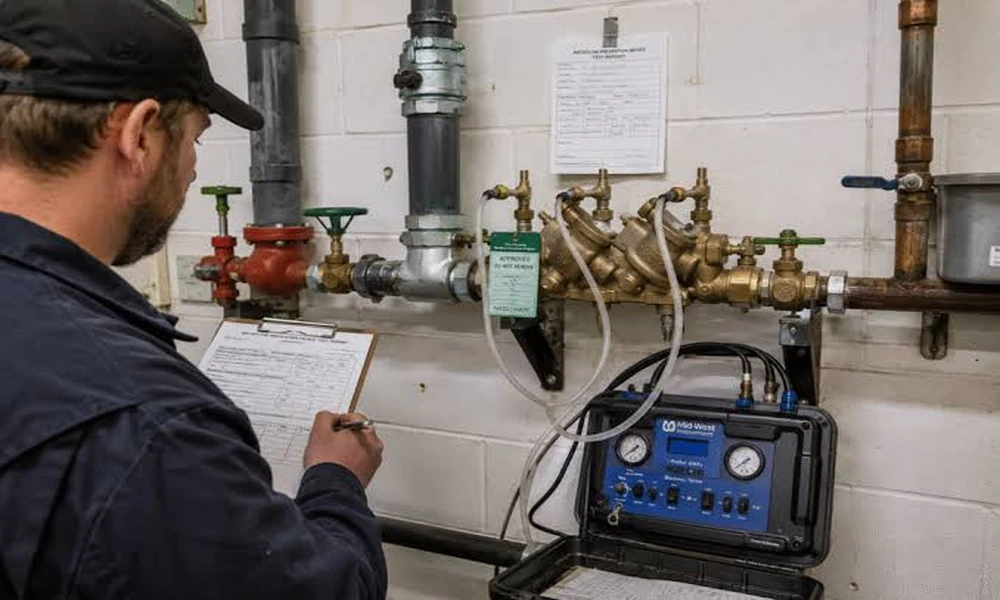
Plumbing systems often develop problems long before homeowners notice visible signs of damage. A slow drain, inconsistent water pressure, or an occasional unusual noise may seem harmless, but these symptoms can indicate deeper issues within the pipes. Understanding plumbing inspection findings helps property owners recognize potential risks, prioritize repairs, and maintain a reliable water supply. A professional inspection provides valuable information about the condition of pipes, drainage lines, fixtures, and other essential components that keep a plumbing system functioning properly.
Drainage Problems and Their Underlying Causes
Slow drainage is among the most common findings during a plumbing inspection. Although homeowners frequently associate this problem with hair, grease, or soap buildup, restricted drainage can also result from damaged pipes, improper slopes, or obstructions deeper within the system.
Professional Plumbing Inspection Houston services can help identify whether drainage problems originate from ordinary blockages or more complicated structural issues. Inspectors may examine accessible drain connections, evaluate wastewater flow, and recommend camera inspections when underground or concealed pipes require further investigation.
Recurring clogs deserve particular attention because they may indicate that previous cleaning efforts addressed only the symptoms. Identifying the underlying cause helps prevent repeated disruptions and unnecessary maintenance expenses.
Pipe Corrosion and Material Deterioration
Corrosion is another significant concern that plumbing inspections may uncover, particularly in properties with aging metal pipes. Over time, certain pipe materials react with water chemistry and environmental conditions, gradually weakening their internal surfaces.
Corroded pipes may develop restricted openings, discoloration, leaks, or reduced structural strength. Inspectors often look for visible rust, unusual staining around fittings, and signs of deterioration near exposed plumbing connections.
However, corrosion does not always produce obvious external symptoms. Internal deterioration can remain unnoticed until water pressure changes or leaks develop. An inspection helps determine whether localized repairs are sufficient or whether sections of deteriorating piping require replacement.
Water Pressure Irregularities and Hidden Restrictions
Water pressure provides useful clues about the overall condition of a plumbing system. When pressure becomes noticeably weaker at several fixtures, the issue may involve restricted supply lines, partially closed valves, pressure regulation problems, or leaks.
An inspection can help distinguish between isolated fixture problems and broader distribution concerns. For example, weak flow from a single faucet may result from sediment trapped in its aerator, while reduced pressure throughout the property may require additional investigation.
Excessively high water pressure also deserves attention. Continuous pressure beyond recommended operating levels can place unnecessary stress on pipe connections, valves, and household appliances. Measuring pressure allows inspectors to identify conditions that may shorten plumbing component life.
Hidden Leaks and Moisture Damage
Not every plumbing leak produces visible dripping water. Some leaks develop behind walls, beneath flooring, or around concealed connections, allowing moisture to accumulate gradually.
Inspectors may investigate water stains, damp surfaces, unexplained moisture, or unusual meter activity. Depending on the situation, specialized detection equipment may help locate leaks without extensive demolition.
These findings matter because prolonged moisture exposure can damage building materials and create conditions favorable to mold growth. Promptly addressing suspected leaks lowers the possibility of significant restoration work and helps prevent structural degradation.
Sewer Line Conditions and Underground Concerns
Underground sewer lines face challenges that differ from those affecting indoor plumbing. Soil movement, root intrusion, accumulated debris, and aging materials can interfere with wastewater movement.
A plumbing inspection may reveal symptoms suggesting sewer line problems, including repeated backups, unpleasant drain odors, or slow drainage affecting multiple fixtures. When these warning signs appear, a camera examination may provide a clearer view of internal pipe conditions.
Not every sewer problem requires complete pipe replacement. Some obstructions can be cleared through appropriate cleaning methods, while cracked or severely deteriorated sections may need targeted repairs. Accurate findings help determine the most suitable approach.
Understanding Inspection Reports and Repair Priorities
A plumbing inspection report becomes most useful when homeowners understand the difference between immediate concerns and routine maintenance recommendations. Active leaks, sewer backups, and severely damaged pipes generally require faster attention than minor fixture wear.
Homeowners should review the location of each finding, its potential consequences, and the recommended corrective action. Asking questions about repair urgency, expected durability, and available alternatives can support better maintenance decisions.
Conclusion
Plumbing inspection findings provide a clearer understanding of problems that might otherwise remain hidden until significant damage occurs. From drainage restrictions and pipe corrosion to pressure irregularities and concealed leaks, each finding offers valuable insight into system performance. Regular inspections, timely repairs, and informed maintenance decisions help homeowners protect their properties while keeping essential plumbing components operating efficiently.