

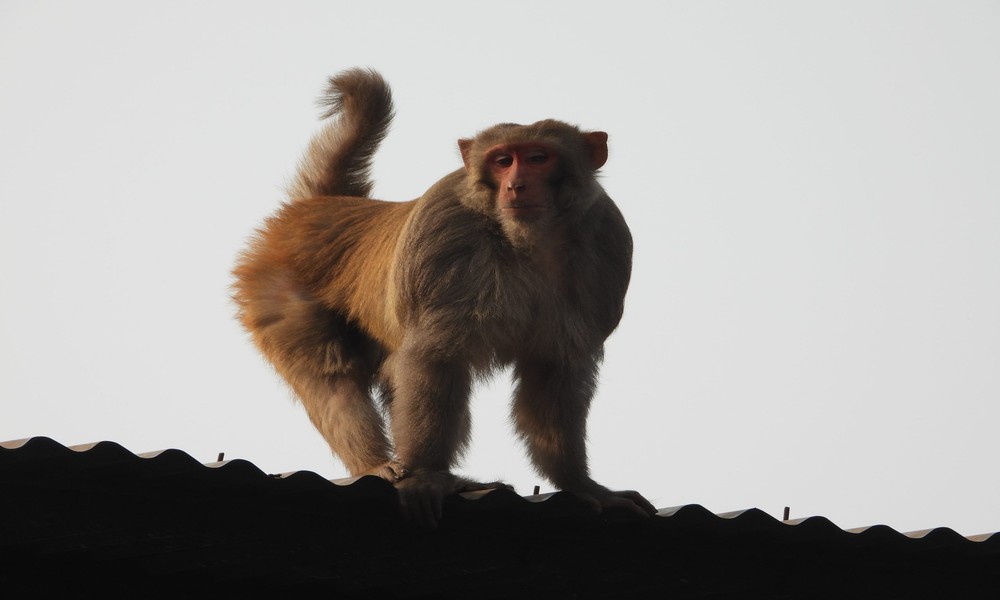
The way a property is designed can have a significant impact on wildlife activity. While homeowners often focus on curb appeal, landscaping choices and exterior features can also affect how animals interact with the property. In areas such as Niagara Falls, where urban development and natural spaces exist side by side, thoughtful property design can play an important role in reducing unwanted wildlife encounters.
Understanding how outdoor spaces influence animal movement can help homeowners make informed decisions about maintenance and long-term property care.
Trees and Elevated Access Routes
Trees add beauty, shade, and privacy to a property, but their placement can also influence wildlife activity. Branches that extend close to roofs, upper windows, or other structures may create convenient pathways for animals moving through the area.
Regular tree maintenance can help improve visibility around the home while reducing direct access routes to elevated portions of the property. Trimming branches and monitoring tree growth are simple steps that support overall property management.
A balanced approach allows homeowners to enjoy the benefits of mature landscaping while minimizing potential concerns.
Outdoor Features Can Attract Activity
Property layouts often include features that make outdoor spaces more enjoyable. Decks, sheds, fences, and decorative landscaping elements can enhance a home’s appearance, but they can also create sheltered areas that attract wildlife.
Careful planning can help reduce these opportunities. Keeping outdoor spaces clean, maintaining structures, and addressing areas where debris may accumulate can contribute to a more secure environment.
Homeowners who regularly evaluate their exterior spaces are often better prepared to identify maintenance needs before they become larger concerns.
Landscaping Decisions Matter
The types of plants, shrubs, and ground cover used throughout a property can influence how wildlife moves through the area. Dense vegetation may provide cover, while poorly maintained landscaping can make inspections more difficult.
Landscaping projects occasionally lead homeowners to research Raccoon removal services in Niagara Falls while evaluating ways to reduce wildlife attraction around the property.
By incorporating maintenance-friendly designs and ensuring clear visibility around key structures, homeowners can create outdoor spaces that are both attractive and functional.
Exterior Maintenance Supports Prevention
Property design and maintenance work together. Even a well-designed landscape benefits from regular inspections and upkeep.
Important areas to monitor include:
Routine maintenance helps preserve the appearance of the property while supporting long-term protection efforts.
Creating a Balanced Outdoor Environment
A thoughtfully maintained property can support both aesthetics and practicality. Homeowners do not need to eliminate landscaping features to reduce wildlife concerns. Instead, strategic planning and regular maintenance can help create a balance between outdoor enjoyment and property protection.
As outdoor improvements are considered, discussions about landscaping, maintenance priorities, and Raccoon removal services in Niagara Falls may become part of broader efforts to manage wildlife activity around the home.
Looking at the Bigger Picture
Property layouts influence more than appearance alone. Landscaping choices, structural features, and maintenance practices can all affect how wildlife interacts with a home. By understanding these connections, homeowners can make decisions that support both the beauty and long-term security of their property while maintaining a welcoming outdoor environment.
