

Indoor spaces are designed to provide comfort, productivity, and security, whether in homes, offices, laboratories, or industrial facilities. However, many potential hazards are not immediately visible to occupants. Air quality concerns, gas leaks, and equipment malfunctions can develop quietly, making continuous monitoring an essential part of maintaining a safe environment. Modern detection devices play a significant role in identifying these issues before they lead to larger problems.
Why Indoor Monitoring Matters
People spend a substantial portion of their lives indoors, making the quality and safety of these environments a major concern. While regular inspections and maintenance contribute to safer conditions, some risks require ongoing observation rather than periodic checks.
Monitoring devices provide real-time awareness of environmental conditions. They track specific factors and alert personnel when unusual readings occur. This immediate feedback creates opportunities to investigate and resolve concerns before they affect occupants, equipment, or operations.
As buildings become more technologically advanced, monitoring systems are increasingly integrated into overall safety programs, supporting a proactive approach to risk management.
Detecting Hidden Issues Early
Many indoor hazards are difficult to identify without specialized equipment. Certain gases, for example, may escape through tiny openings that are impossible to locate through visual inspection alone. Even small leaks can create operational inefficiencies and lead to costly maintenance challenges if left unresolved.
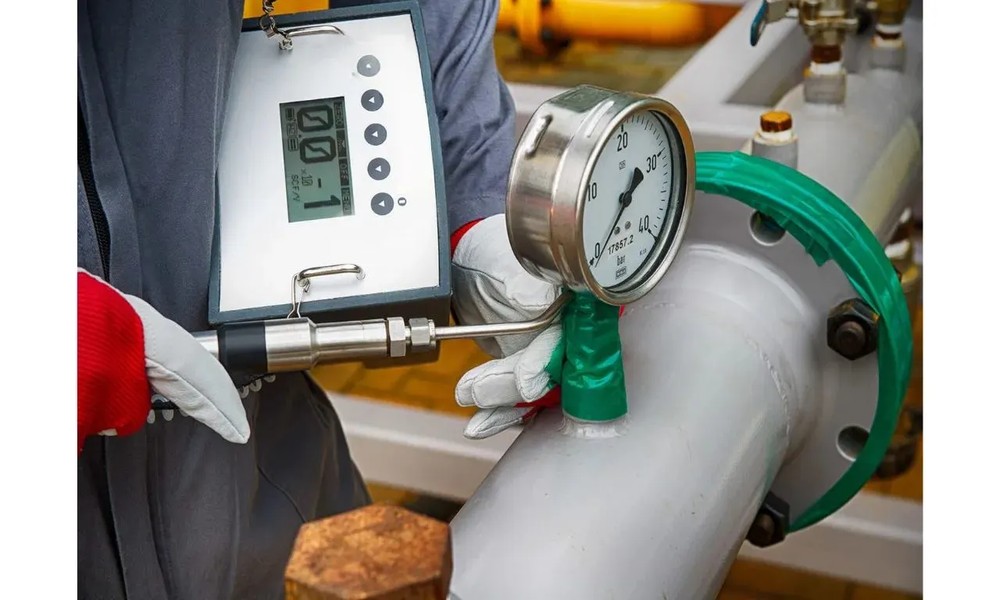
In technical and industrial environments, a helium leak detector is often selected to identify extremely small leaks with high precision. Because helium molecules can pass through very small openings, they are frequently used during testing procedures where accuracy is a priority. Early detection enables maintenance teams to address vulnerabilities before they expand into larger system failures.
Supporting Equipment Reliability
Monitoring devices contribute not only to safety but also to equipment performance. Heating systems, ventilation units, laboratory instruments, and manufacturing equipment all rely on stable operating conditions.
When sensors continuously track environmental changes, facility managers gain valuable information about potential problems developing within these systems. Identifying irregular readings early often reduces unplanned downtime and supports more efficient maintenance schedules.
This approach shifts attention from reactive repairs toward preventive maintenance, improving both operational efficiency and long-term reliability.
Enhancing Confidence in Indoor Safety
Building occupants generally expect indoor spaces to be safe without needing to think about potential risks. Monitoring technology helps meet these expectations by maintaining continuous oversight of critical conditions.
A helium leak detector may be part of broader testing and monitoring procedures designed to verify the integrity of sealed systems and sensitive equipment. Combined with other detection technologies, it contributes to a comprehensive safety framework that supports both performance and protection.
Creating Smarter Indoor Environments
Modern indoor safety depends on more than physical barriers and routine inspections. Continuous monitoring provides valuable insight into conditions that would otherwise remain unnoticed. As detection technology continues to advance, organizations and property owners are gaining more effective tools for maintaining secure, efficient, and comfortable indoor environments. The result is a smarter approach to safety built on awareness, precision, and early action.