

Key Takeaways
- Respiratory issues often stem from fungal growth hidden in wall cavities or behind large furniture pieces.
- Effective mould remediation requires air filtration and containment to prevent the spread of spores during the cleaning process.
- Fixing the source of the dampness is the only way to prevent the recurrence of fungal colonies in tropical environments.
Introduction
In Singapore, waking up with a congested nose or itchy eyes is common, assuming these symptoms stem from a change in the weather or a dusty air-conditioning unit. While the tropical climate contributes to various respiratory triggers, a more persistent and invisible culprit often hides behind the wardrobe or inside the false ceiling. Excessive humidity combined with poor ventilation creates the perfect breeding ground for fungi, leading to significant mould damage that impacts your home environment. When individuals understand that these spores thrive in the dark, damp corners of the household, it can help them realise that a quick cleaning rarely solves the root of the problem.
1. Recognising Hidden Signs of Mould Damage
Visible dark spots on your wallpaper or bathroom tiles only tell half the story, as the most problematic growth often occurs where it cannot be seen. You might notice a faint, earthy smell that lingers in your guest room even after you open the windows for an afternoon. This scent often indicates that mould damage has already taken hold inside the wall cavities or under the parquet flooring. In a high-rise apartment, a minor leak from the unit above or a poorly sealed window frame provides enough moisture to sustain a large colony for months. Detecting these issues early prevents the spores from spreading to your soft furnishings, which are much harder to salvage once the fungus penetrates the fibres. If your clothes smell musty despite being freshly laundered, it is time to inspect the back of your built-in cabinets for signs of moisture.
2. Why Surface Cleaning Often Fails
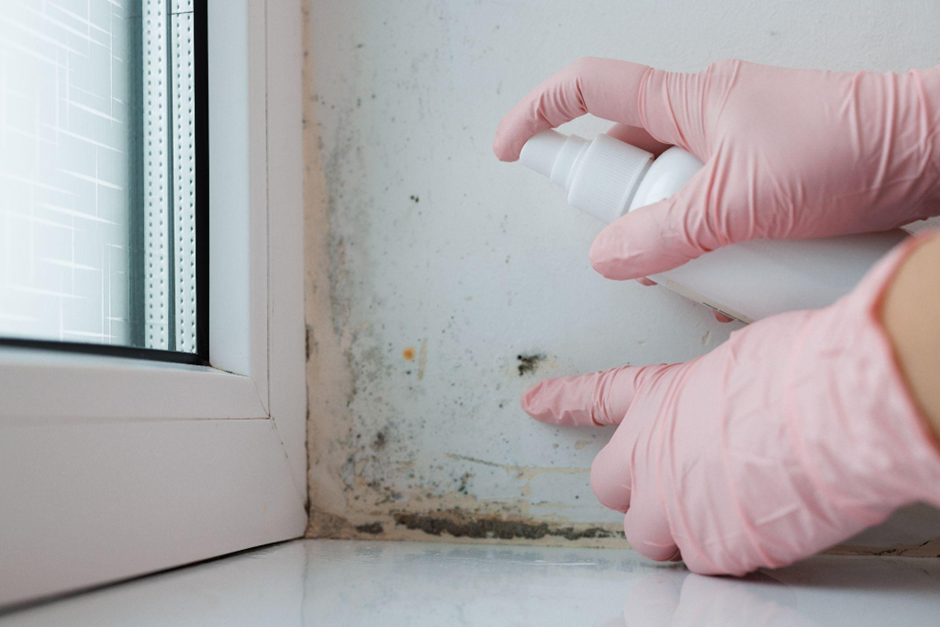
Many homeowners attempt to manage the situation using household bleach or vinegar, but these surface treatments frequently fail to reach the roots of the fungus. Because fungi grow deep into porous materials like drywall and wood, a superficial cleaning only removes the visible part while leaving the underlying structure infested. Professional mould remediation requires the use of industrial-grade equipment to isolate the spores and prevent them from migrating to other rooms. Without proper containment, the act of scrubbing can actually release millions of microscopic spores into the air, potentially worsening your respiratory symptoms, ensuring that the environment becomes inhospitable for future growth, rather than just providing a temporary cosmetic fix.
3. The Essentials of Professional Mould Remediation
When a home suffers from an extensive infestation, a simple DIY approach usually falls short of restoring a healthy air quality. A comprehensive mould remediation process begins with a moisture map to identify the exact source of the dampness, whether it is an air-con leak or rising damp. Technicians use HEPA filtration systems to scrub the air, ensuring that the invisible particles that trigger your sneezing are physically removed from the premises. They also treat the affected surfaces with specialised anti-microbial solutions that inhibit the return of the fungus, which is vital in Singapore’s 90% humidity, where even a tiny patch of left-behind spores can repopulate an entire room within a few days. By sanitising the air and the structure simultaneously, you create a long-term solution for your family’s comfort.
4. Protecting Your Belongings from Permanent Mould Damage
Fungus actively seeks out organic materials, such as leather handbags, silk scarves, and wooden furniture. Once mould damage affects these high-value items, the restoration process becomes delicate and complex. Porous items often act as sponges for spores, meaning that even if you clean the room, the items themselves can re-infect the space later. Professionals trained in mould remediation understand how to treat different materials without causing further harm to the delicate fabrics or finishes. Acting quickly when you first spot a white fuzzy layer on your leather goods can save you thousands of dollars in replacement costs. Keeping your humidity levels below 60% with a dehumidifier serves as an excellent secondary defence, but it cannot replace the need to remove an existing colony.
5. Restoring Air Quality and Personal Comfort
The ultimate goal of clearing a fungal infestation is to restore the peace of mind that comes with a truly clean home. Once the mould remediation is complete, most residents report an immediate improvement in their sleep quality and a reduction in their reliance on antihistamines. You no longer have to worry about the health of young children or elderly family members who are more sensitive to airborne irritants. Maintaining a dry, well-ventilated home is an ongoing task in our climate, but starting with a professionally cleared canvas makes that task significantly easier. When the musty smell disappears, and the air feels light again, you realise that your morning colds were never a permanent part of your life, but a symptom of a house that needed a reset.
Conclusion
Clarifying the situation around indoor air quality reveals that a healthy home requires more than just a tidy surface. When moisture becomes trapped in the structure of your apartment, it creates a biological challenge that impacts your daily comfort and long-term health. Addressing these issues through professional channels ensures that the problem is solved at its source, protecting both your property and your well-being. The transition from a damp, musty environment to a fresh, dry living space changes the way you experience your home every morning. By choosing to act when you first notice a lingering smell or a persistent cough, you prevent a minor moisture issue from becoming a major structural headache. Your home should be a place where you breathe easily, free from the invisible irritants that humidity can bring.
Contact BELFOR and learn about mould damage and its effects on a house and its occupants.